
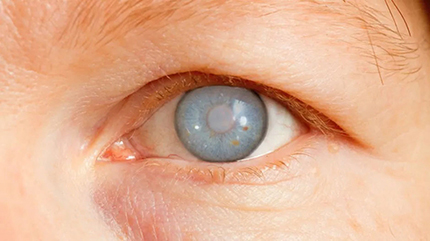
At Lobo Eye Clinic, we offer comprehensive diagnostic & treatment facilities for glaucoma.
At our centre, all patients over 40 yrs are screened for glaucoma even if they have come for a routine examination.
Eye pressure is gently checked by applanation tonometry, or on our Topcon air puff tonometer. The optic nerve is screened by Volk biomicroscopy.
In suspicious or confirmed cases of glaucoma, comprehensive tests are done at Lobo Eye Clinic including OCT, digital perimetry, serial optic nerve digital imaging & gonioscopy.
OCT is an advanced test for glaucoma done with our 3D OCT Maestro instrument from Topcon, Japan. In OCT, the optic nerve is scanned & microscopic details are imaged. Diagnosis & treatment now becomes much more accurate & precise.
These tests are repeated periodically to monitor the control of the glaucoma. Medical treatment usually controls the condition. In some cases, laser or surgical management is required.
We do careful counseling and explain your condition in detail. This along with our careful follow up protocol has ensured that our glaucoma patients remain in excellent control of their condition & continue to enjoy productive & quality lifestyles.
What is Glaucoma?
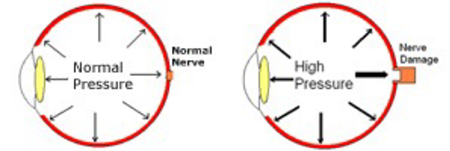
Glaucoma is damage to the optic nerve, related to Increased pressure of the liquid inside the eye. This liquid is called Aqueous & is not to be confused with the tears.
Is it common?
One in fifty of those older than 40 have glaucoma. It is commoner if relatives have it as it runs in some families. You should consider getting yourself checked if any of the following apply to you. You are over 40, or have any relatives having glaucoma or have had a history of an eye injury, or had treatment with steroids (like Wysolone or Betnesol).
How does increased pressure affect the eye?
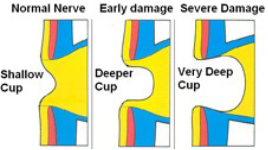
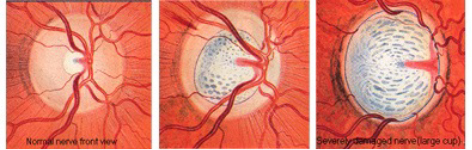
It damages the vision by pressing the visual nerve. A hole or cup forms in the nerve where it is damaged.
What are the symptoms?
There are two main types of glaucoma.
Open angle glaucoma :
It is a more common form, where there are no symptoms, till the condition is very advanced.
Why?
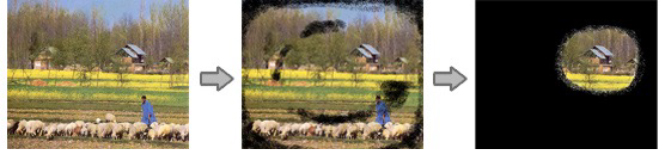
Because the damage occurs very slowly over many years. The eye gets used to increased pressure so there is no pain. The vision is lost very slowly from the sides, so it is not noticed till too late.
Narrow angle glaucoma :
It is a less common form of glaucoma where there is severe pain & blurring of vision due to sudden rise in eye pressure.
Does too much reading, studying, or TV increase the pressure?
No, these can make the eyes tired but don’t raise the eye pressure.
Then what causes it?
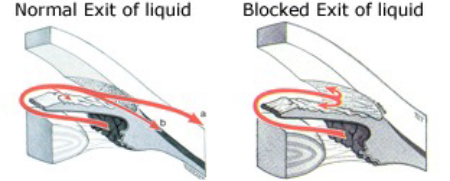
Changes occur due to age or due to hereditary factors. The liquid within the eye normally drains out through a narrow channel. This sometimes gets clogged with age. Fluid accumulates within the eye & the pressure goes up.
How to detect it early?
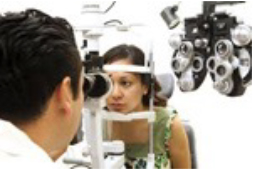
It can only be discovered early on routine yearly checkup with the eye doctor. Simply testing the number with the optician is not enough. Only a qualified eye specialist with proper training & experience will properly check for glaucoma.
Is a yearly eye checkup necessary even if I feel absolutely normal?
Yes, because there are often no symptoms in glaucoma till it is too late.
What happens if it is not discovered or treated?
If untreated glaucoma ultimately leads to permanent blindness. This is completely avoided if detected early.
How is it treated?
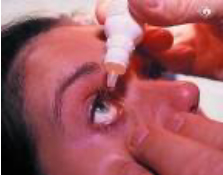
Treatment is mostly very simple. Eye drops are all that is usually required for open angle glaucoma. In narrow angle glaucoma laser iridotomy is first necessary, followed by medical treatment in the form of drops.
What about surgery?
Surgery is done only if the pressure cannot be adequately controlled with eye drops. Even after surgery, lifelong follow-up is still required to continually monitor eye pressure & the visual fields.
Can drops be stopped once pressure is controlled?
Drops have to be put for a lifetime. All drops work for a few hours only. If drops are stopped, the pressure rises within a day or two back to its original level.
What is the best way to put drops?
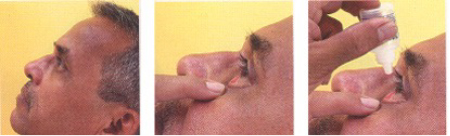
Put the drops in a sitting or standing position. 1 drop is enough each time. More than 1 will simply flow out & get wasted. After putting the drop, keep the lower eyelid pulled for 15 seconds. There is no need to lie down or close the eyes. If you are using more than one type of drop, keep at least 5 minutes between two different drops.
Are regular follow ups required?
Follow up is required every few months for a lifetime. Why? Because over time, one may require additional medications or a change of the drops. The eye pressure has to be tested regularly. The perimetry & the optic nerves have to be tested periodically to see whether the glaucoma remains under control. Even if glaucoma surgery has been done lifetime followup is necessary.
What are the tests required in glaucoma?
Three basic tests are required to be done regularly. These are all available at Lobo Eye Clinic.
Eye pressure test or Tonometry :

The pressure is tested with a gentle instrument called the Tonometer.
OCT :
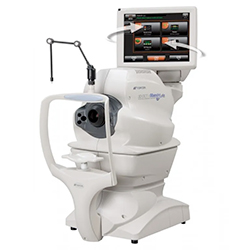
The doctor scans the optic nerve at the back of the eye with a special instrument. Any damage or progression of damage can be monitored. Digital scans may be taken periodically to monitor subtle changes in the optic nerve.
Perimetry :
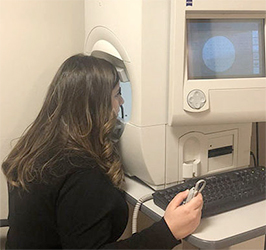
This is a test of the side vision on a special instrument called a perimeter. The test is simple & somewhat like a video game. It has to be repeated every few months to monitor if any damage is occurring.
What else does the doctor need to know?
Before starting any treatment, the doctor needs to know any pre-existing problems like blood pressure, diabetes or asthma and all medicines being taken now or in the past. The treatment may change depending on this.
Could glaucoma affect my family members?
Yes. Glaucoma is hereditary, so close relatives like brothers & sisters, cousins or children above the age of 30 are at risk. All need to be checked every year with a special view to glaucoma. They should be told immediately so no time is lost.
Any other rules to follow?
- Put your eye drops as your doctor advises. Do not use more or fewer drops than prescribed.
- Always keep an extra bottle of all drops with you at home & specially when traveling. If a medicine gets over suddenly, you will always have a fresh supply immediately.
- Keep appointments as scheduled with your doctor. Your disease can only be successfully managed with continual monitoring by your ophthalmologist.
- When you see another doctor, make sure he or she knows that you are being treated for glaucoma.
- Never use any other eye medications or eyewashes without your doctor’s approval.
- Controlling glaucoma is a team effort where you & the doctor both need to combine & work together.
If you have glaucoma, follow these simple guidelines, relax, don’t worry and live a normal life. There is no restriction on reading, TV, computer, stitching or other activites. Use your eyes normally
What facilities for Glaucoma are available at Lobo Eye Clinic?
At Lobo eye clinic, a thorough evaluation for Glaucoma is done at the first visit. Eye pressure is checked with the applanation tonometer. Detailed examination of the eye is done on the slit lamp microscope along with gonioscopic evaluation of the draining angle of the eye. Optic nerve is scanned with the OCT. Corneal thickness is measured with the optical pachymeter. Visual field is charted out with the perimeter.
A detailed compilation of these results is charted and only then is a course of treatment planned out.
Periodic visits are planned to monitor the condition and add further drops if required.
At Lobo eye clinic, many thousands of glaucoma patients are enjoying a lifetime of good quality vision because of careful diagnosis and meticulous follow up of their condition.